
Leadership is evolving, and organizations are realizing the value of creating workplaces where everyone has equal opportunities to grow. Women bring innovation, collaboration, resilience, and fresh perspectives to leadership, yet many still face barriers to senior roles.
By Empowering Women Leaders, organizations build more inclusive workplaces while improving employee engagement, innovation, and long-term success. In this blog, we’ll explore practical ways companies can support women leaders and create lasting positive change.
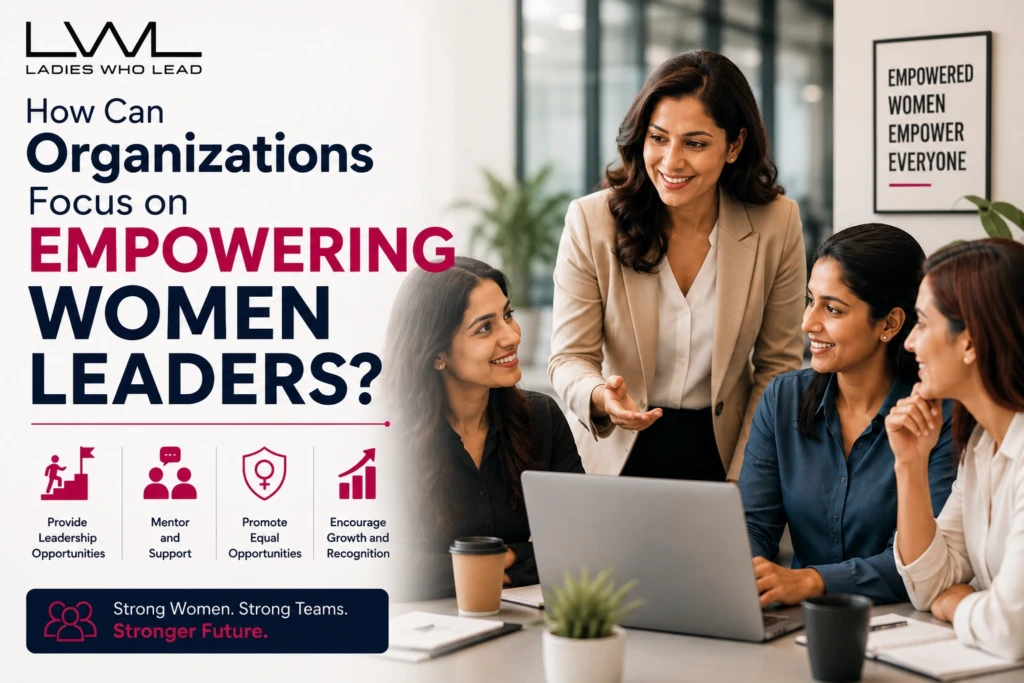
Why Empowering Women Leaders Matters
Women make valuable contributions across industries, yet they continue to be underrepresented in senior leadership roles. The challenge is rarely about capability. Instead, it often involves limited access to leadership opportunities, unconscious bias, fewer networking opportunities, and unequal career advancement.
Organizations that focus on Empowering Women Leaders create an environment where talent is recognized regardless of gender. This encourages innovation, improves decision-making, and helps businesses better understand diverse customer needs.
Employees also feel more motivated when they see leadership opportunities available to everyone based on merit rather than stereotypes.
Build an Inclusive Workplace Culture
Creating an inclusive culture is like the first step for building women leaders, honestly it matters more than people think. Employees should feel respected, valued, and listened to no matter their gender or background, even if it’s not said in a direct way.
Organizations can encourage open communication, celebrate diverse perspectives, and ensure every employee has an equal voice during meetings and decision-making processes. Inclusive workplaces allow women to confidently share ideas without hesitation.
When inclusion becomes part of the company culture, Empowering Women Leaders becomes a natural outcome rather than a separate initiative.
Provide Equal Growth Opportunities
Career development should never depend on assumptions or unconscious bias. Women should receive the same access to challenging projects, leadership assignments, promotions, and skill-building opportunities as their male colleagues. Managers should actively identify high-potential female employees and encourage them to take on responsibilities that prepare them for leadership positions. Transparent promotion processes also help eliminate confusion and create trust among employees.
Invest in Leadership Development Programs
Leadership skills can be developed through continuous learning. Organizations should offer training programs that help women strengthen communication, decision-making, negotiation, conflict resolution, and strategic thinking. Leadership workshops, executive coaching, and professional certifications prepare women for senior roles while boosting confidence.
Regular development opportunities demonstrate the company’s genuine commitment to Empowering Women Leaders.
Encourage Mentorship and Sponsorship
Mentorship plays a significant role in career growth. Experienced leaders can guide women through workplace challenges, help them build confidence, and provide valuable career advice.
Sponsorship is equally important. Unlike mentors, sponsors actively recommend talented women for promotions, leadership roles, and high-visibility projects. Having strong mentors and sponsors increases career advancement while helping women expand their professional networks.
Eliminate Unconscious Bias
Many workplace decisions are influenced by unconscious bias without people even realizing it. These biases can sneak into hiring, promotions, performance reviews and leadership openings too. Organizations should run routine awareness training for managers and employees, so they can spot and lessen those less visible biases in day to day decisions.
Using standardized evaluation criteria, structured interviews, and objective performance assessments also ensures fair decision-making. Reducing bias is one of the strongest ways of Empowering Women Leaders across every level of the organization.
Promote Work-Life Balance
Many women continue to balance professional responsibilities alongside family and caregiving commitments. Flexible work policies make it easier for talented professionals to continue growing without sacrificing their personal responsibilities.
Organizations can support their employees by letting them use flexible working hours hybrid work options too, parental leave and childcare help and also wellness initiatives, so that people feel more secure better steadied at work.
Supporting work-life balance helps organizations retain experienced professionals and encourages more women to pursue leadership positions.
Create Safe and Respectful Work Environments
Women perform their best when they feel safe, respected, and supported at work. Companies should have clear policies against harassment and discrimination while providing confidential reporting systems for employees. Leaders must respond promptly to workplace concerns and maintain a culture of accountability. Psychological safety helps women put forward ideas without freezing, make a few calculated risks, and aim for leadership opportunities without that constant fear.
Celebrate Women’s Achievements
Recognition motivates employees and builds confidence. Organizations should, pretty regularly, honor women’s achievements via awards, internal communications, leadership spotlights, and those success stories that people actually remember. When accomplishments are recognized, it also sends a strong signal that leadership is founded on competence and output, not on guesswork or “who you know”, or anything like that. Celebrating role models also inspires younger employees to aim for leadership positions in the future.
Encourage Networking Opportunities
Professional networking helps women build relationships exchange ideas, and stumble upon new career opportunities, in practice it can be surprisingly useful for connections and renewed momentum. Organizations can host networking events and leadership forums, as well as panel discussions, and even industry conferences where women can link up with peers, and connect with senior leaders too. Strong professional networks provide valuable support, guidance, and opportunities for career growth.
Networking also contributes significantly to Empowering Women Leaders by increasing visibility and expanding career possibilities.
Measure Progress and Stay Accountable
Organizations cannot improve what they don’t measure. Companies should regularly evaluate gender representation across leadership levels, promotion rates, hiring practices, employee retention, and pay equity. Sharing diversity goals and reviewing progress annually encourages accountability across the organization.
Employee surveys also provide valuable insights into workplace culture and areas needing improvement. Continuous evaluation ensures long-term success rather than temporary initiatives.
Encourage Women to Lead with Confidence
Confidence often grows through experience and encouragement. Managers should create opportunities for women to lead meetings, present ideas, manage projects, and represent the company during important events.
Constructive feedback and ongoing support help women strengthen their leadership abilities over time. Organizations should encourage employees to step outside their comfort zones while providing the resources needed to succeed.
Foster Diverse Leadership Teams
Leadership teams that include diverse perspectives make better decisions because they consider different experiences and viewpoints. Organizations should intentionally create leadership pipelines that include talented women from various backgrounds and departments.
A diverse leadership team promotes creativity, innovation, and stronger collaboration across the organization while reflecting the diverse workforce and customer base.
The Long-Term Benefits of Empowering Women Leaders
Organizations that invest in women leaders enjoy benefits far beyond diversity statistics. They often experience stronger employee engagement, higher retention rates, improved collaboration, greater innovation, and better financial performance.
Women leaders frequently bring inclusive leadership styles that encourage teamwork, empathy, and effective communication. These qualities contribute to healthier workplace cultures and stronger organizational resilience. Most importantly, companies known for Empowering Women Leaders become attractive employers for top talent, strengthening their reputation in competitive industries.
Conclusion
Empowering Women Leaders is about creating equal opportunities for women to grow, lead, and succeed with confidence. By fostering inclusive workplaces, providing mentorship, supporting career development, and ensuring fair opportunities, organizations can unlock their full potential.
Companies that prioritize Empowering Women Leaders build stronger teams, encourage innovation, and create a more successful and inclusive future for everyone.
FAQs
1. What does empowering women leaders mean?
It means giving women equal opportunities, support, and resources to become successful leaders.
2. Why is empowering women leaders important?
It improves innovation, workplace diversity, and overall business performance.
3. How can companies support women leaders?
By offering mentorship, leadership training, and fair promotion opportunities.
4. What challenges do women leaders face?
They often face bias, limited opportunities, and work-life balance challenges.
5. How does mentorship help women leaders?
It provides guidance, confidence, and valuable career support.
6. Why is an inclusive workplace important?
It helps women feel valued, respected, and confident in leadership roles.
7. Does leadership training help women grow?
Yes, it builds confidence and strengthens leadership skills.
8. How do employees benefit from women leaders?
They benefit from diverse ideas, better teamwork, and inclusive leadership.
9. What can senior leaders do to help?
They can mentor, sponsor, and promote equal opportunities.
10. How can organizations measure progress?
By tracking promotions, leadership diversity, and employee feedback.