
Consumer behaviour is often discussed through trends, reports and market shifts. Santosh Desai, MD & CEO of Futurebrands India, author of Mother Pious Lady and one of India’s most respected voices on consumer culture and brand thinking, approaches it differently – through culture, identity, contradiction and human behaviour.
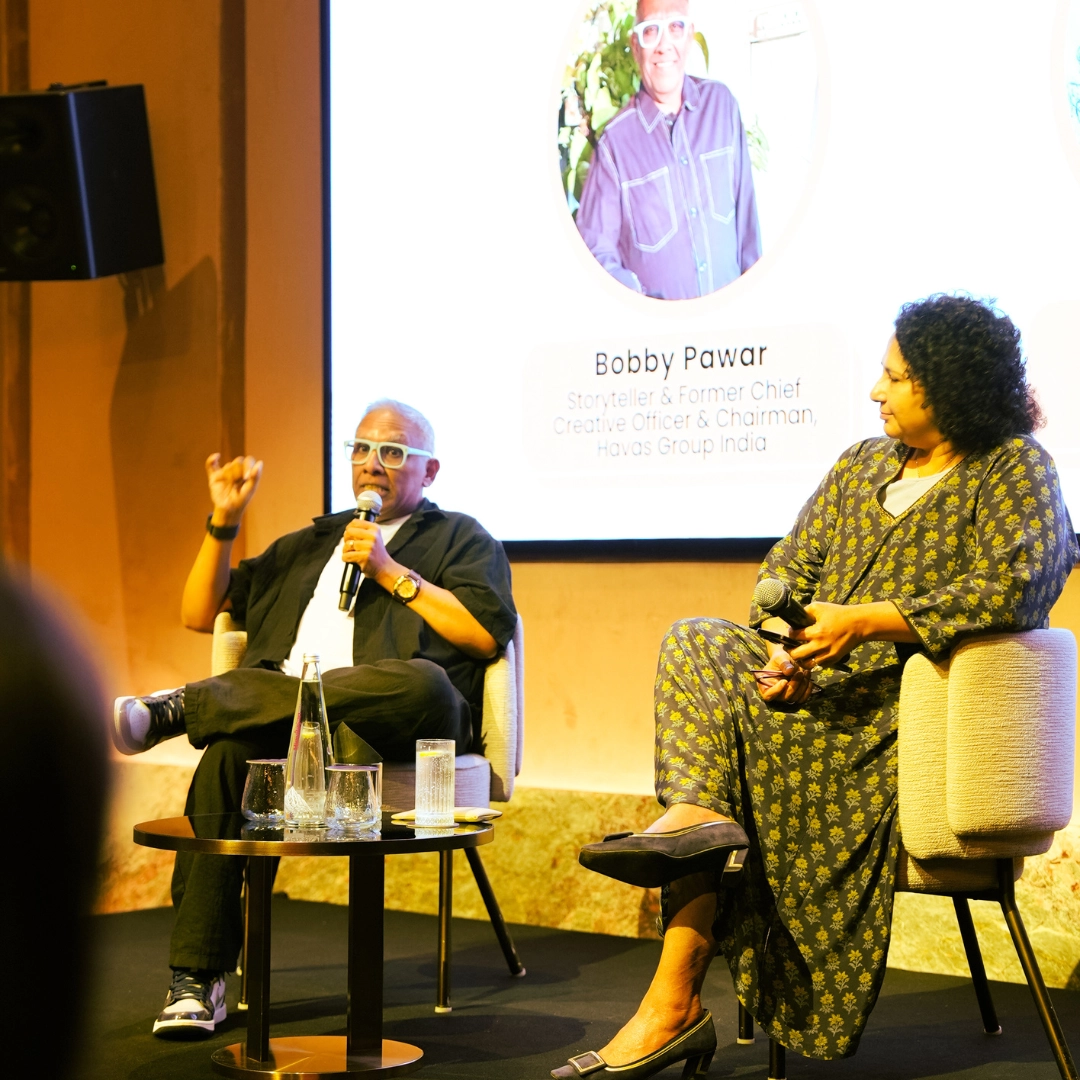
At a recent Mentor Session in Delhi, members joined him for a conversation on how Indian consumers, aspirations and relationships with brands are changing today.
Premium No Longer Means “More Expensive”
One of the strongest themes from the conversation was how the idea of “premium” is changing. Consumers are no longer defining premium only through price. Experience, relevance and authenticity are increasingly shaping what feels valuable. Interesting consumption is replacing expensive consumption.
Status still matters, but the signals have changed. Consumers want products that feel personal, culturally-aware and aligned with how they see themselves. This is one of the reasons newer D2C brands continue to grow quickly. They are often more specific, more expressive and more emotionally connected to their audience than legacy brands built for mass positioning.
The conversation also touched on how many successful products today come from lived experiences rather than broad market assumptions. Products rooted in real behaviour tend to resonate more deeply because they solve something tangible.
At the same time, Santosh Desai cautioned against founders becoming too emotionally attached to their own ideas. Strong products still need to answer a real consumer need. Being new is not enough on its own.
Marketing Has Become Easier. Trust Has Become Harder.
Another major shift discussed during the session was the changing relationship between marketing and product quality. Marketing today is more accessible, faster and more sophisticated than ever before. But visibility alone is becoming less meaningful.
Repeat customers remain one of the healthiest signals for any business. The strongest brands are not simply driving attention but creating enough relevance and trust for people to return repeatedly.
This is also where many newer businesses struggle. Funding can accelerate visibility, but it cannot compensate for weak product foundations indefinitely. Eventually, consumers recognise the difference between brands built around sustained value and brands built around marketing momentum.
The conversation repeatedly returned to the idea of product-market fit. Not as a buzzword, but as a reflection of whether a product genuinely understands the people it is being built for.
AI Can Analyse Behaviour. It Cannot Fully Understand People.
The session also explored how AI is changing the relationship between brands and consumers. AI can identify patterns quickly. It can analyse behaviour at scale and reduce consumers into increasingly detailed data sets.
But human behaviour is rarely fully logical. Santosh Desai spoke about the limitations of second-hand understanding. Data can explain what people are doing, but it often struggles to explain why they behave the way they do emotionally, culturally or socially.
Human decisions are shaped by contradiction, aspiration, insecurity, memory and identity. These are difficult to reduce into clean systems. As AI becomes more integrated into consumer businesses, this gap between data and lived experience will become increasingly important. The businesses that succeed will likely be the ones that continue paying close attention to subjective human behaviour instead of relying only on optimisation.
Women Are Quietly Reshaping Consumer Culture In India
One of the most compelling parts of the discussion focused on women consumers in India today. Santosh Desai spoke about the visible surge in confidence, participation and aspiration among women across demographics, including homemakers. More women are making time for themselves, participating in financial decisions and wanting something that feels personally theirs. There is a growing desire for ownership, individuality and involvement.
Women are also becoming far more selective about what they buy, what they trust and which brands feel genuinely relevant to their lives.
Advertising is also becoming less imposed and more intentional. Consumers increasingly want resonance instead of persuasion.
Across the session, one idea stayed consistent. The future of consumer businesses will depend less on who can market the loudest and more on who understands people most deeply.
Through conversations like these, Ladies Who Lead continues creating spaces where founders, operators and leaders can unpack how business, culture and consumer behaviour are evolving in real time.